




Cruising Smarter: Why Performance Isn’t Just for Racers
Harry Tilling, Monohull Broker at Key Yachting, challenges common misconceptions around performance yachts and explains how modern designs can enhance comfort, ease, and time spent sailing for today’s cruisers.
Perception of performance in the view of the cruiser
Any sailor who has a vague interest in performance will have their social media and magazines full of TP52s roaring under a spinnaker or helicopter shots of extreme offshore yachts hurtling down Southern Ocean ‘greybeards’. This image, or dare I say stereotype, is forced down the throat of the unsuspecting weekend cruiser, again ‘performance’ yachts making it all seem very hard and uncomfortable and not even a sprayhood in sight. Surprised then, are we? a ‘performance’ yacht brand, when we chat to cruisers who more often than not, think it is all a bit too much for their trip across the bay on a summers afternoon.
The thing is, it really isn’t. In fact, performance does not at all mean less safe, it does not mean you need to wear a dry suit every time you leave the dock and it certainly does not mean that you need an army of skilled sailors to pull an unquantifiable amount of string. At the end of the day, all of our performance cruisers, such at the J/36, 40 and 45 all offer that cockpit experience you would expect from a pure cruising boat, sprayhoods to hide from bad weather and enough room to lounge at anchor, nothing displaced by fancy rigging or complicated systems. The paybacks are hidden in the DNA of the boat itself.
What I hope to briefly propose is a small education as to firstly, what is ‘performance’ in a yacht, what difference does it really make to your experience for the extra buck it may cost.
What is ‘performance’
The first word that may come to mind when someone says sports car, bike and alike is most likely speed. Yes, speed can be a big part of a sporty edition of a yacht and as we still see with latest releases, can even be made the focus of the entire model/brand. However, whereas the claim that a boat can ‘plane’ does indeed sound exciting, it is simply not enough to justify the term ‘performance’. Any sports car enthusiast will say the same, cars require handling, grip, cornering agility, not just straight line speed. This is quite clearly, to any sailor, easily translatable into yachting; a light sensitive touch on the wheel, how it handles and responds to a sea way and how it adapts and changes through manoeuvres. No owner or their crew wishes to spend 5 mins head into the wind in every tack, or having to rely on a strong helm in breeze to keep you pointing the right way.
So ‘performance’ then is simply usability, reflecting thoughts of a designer and manufacturer on the function of a sailing boat, which I’d like to think is to not be only enjoyable but to funnily enough, to sail more than you motor….
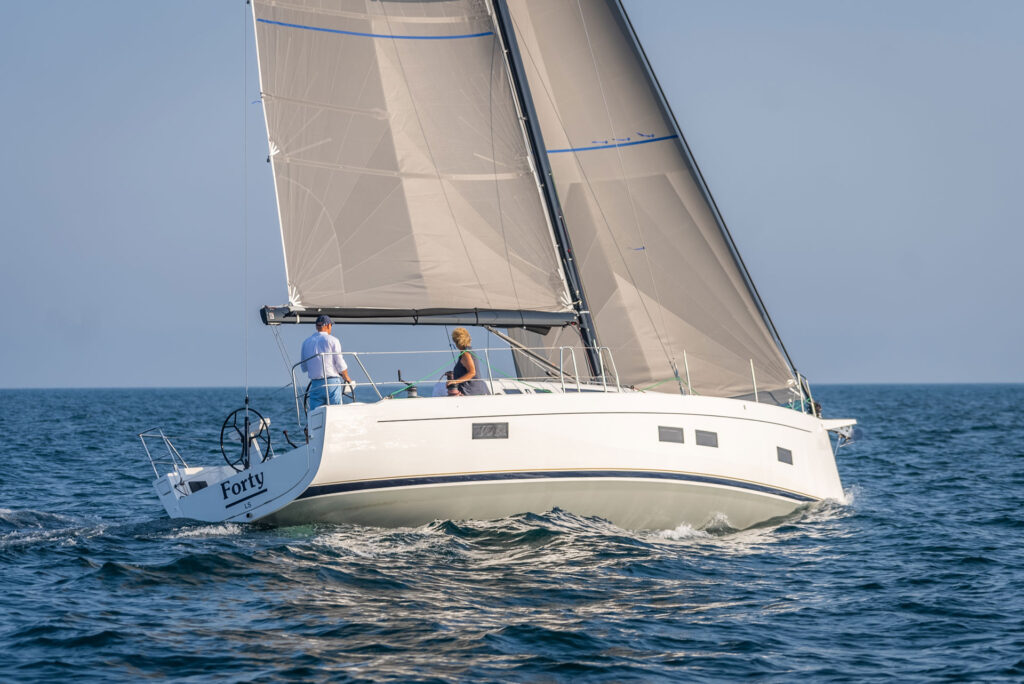
Going slow faster
This brings me onto what I believe is the most neglected area of what ‘performance’ boats bring to cruising… sailing. I am sure almost all cruisers can recall a time where a sailing adventure has been foiled by the proverbial arch nemesis: no wind.
This is where the average cruiser with a large wetted surface area and wide stern would struggle, either chucking in the towel and not being able to take advantage of a flat-water day. Ironically, a perfect bluebird day in flat water is arguably when you’ll probably be on the water, serenely gliding, undisturbed by the sound of Volvo Penta’s Greatest Hits. With our brand of J Boats, we expect to be sailing from 4-6 knots of wind, matching the otherwise motoring speed. I have had the opportunity on our J/112e, on a very enlightening test sail with a ex-Halberg Rassey owner, who never thought sailing in these conditions was even a possibility. When I am cruising I don’t go out for the wild weather, surely then it makes sense to have a boat where they can take advantage of the nicer, lighter and warmer days. Ultimately a performance boat, even though not currently regarded as, seems the obvious choice.
I am not going to pretend that the savings in fuel will make a huge difference to overall cost of sailboat ownership or makes up for the often-higher price tag of anything advertised as a sporty boat. However, if you are able to utilise and sail a boat more, isn’t it worth more?
Compromises
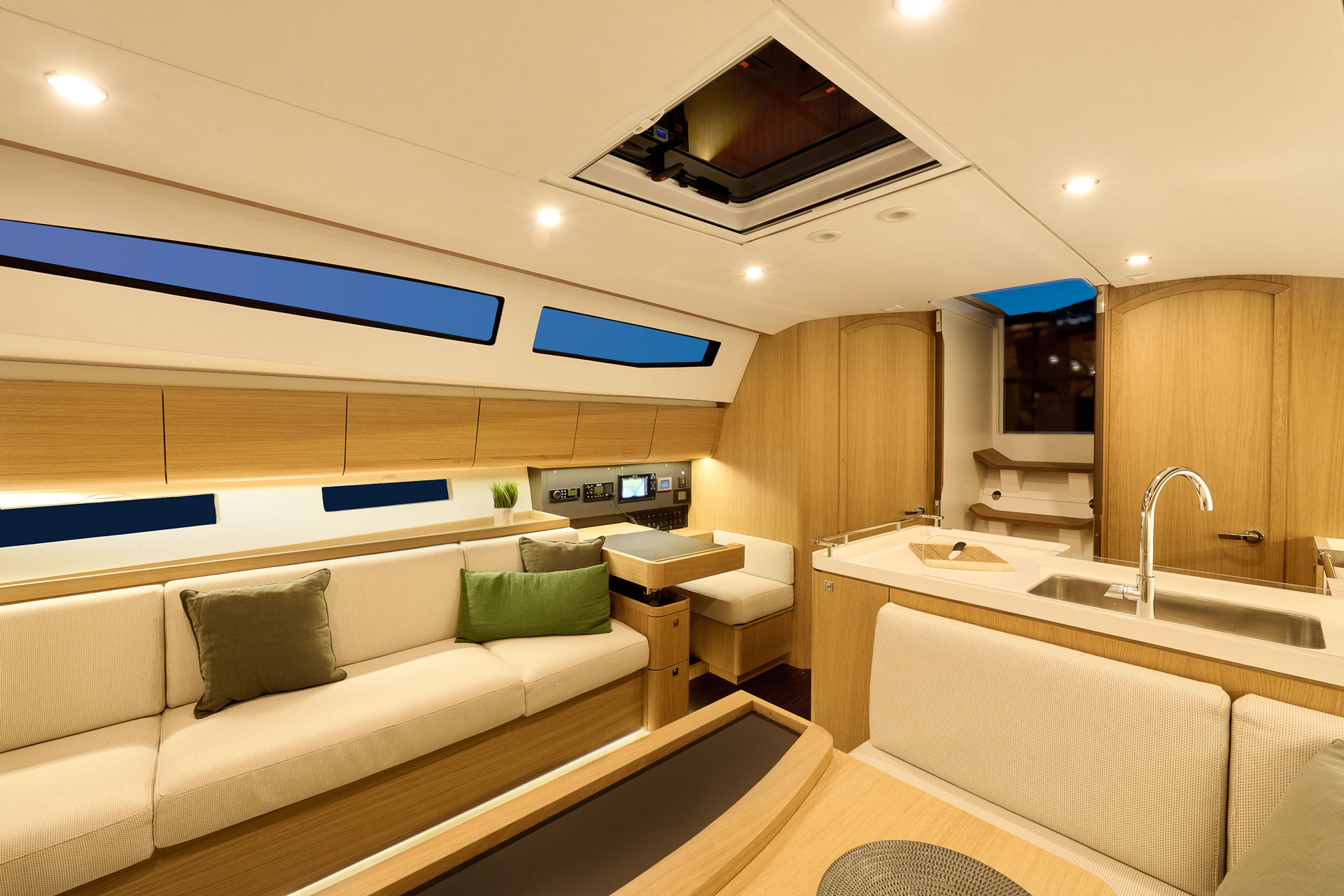
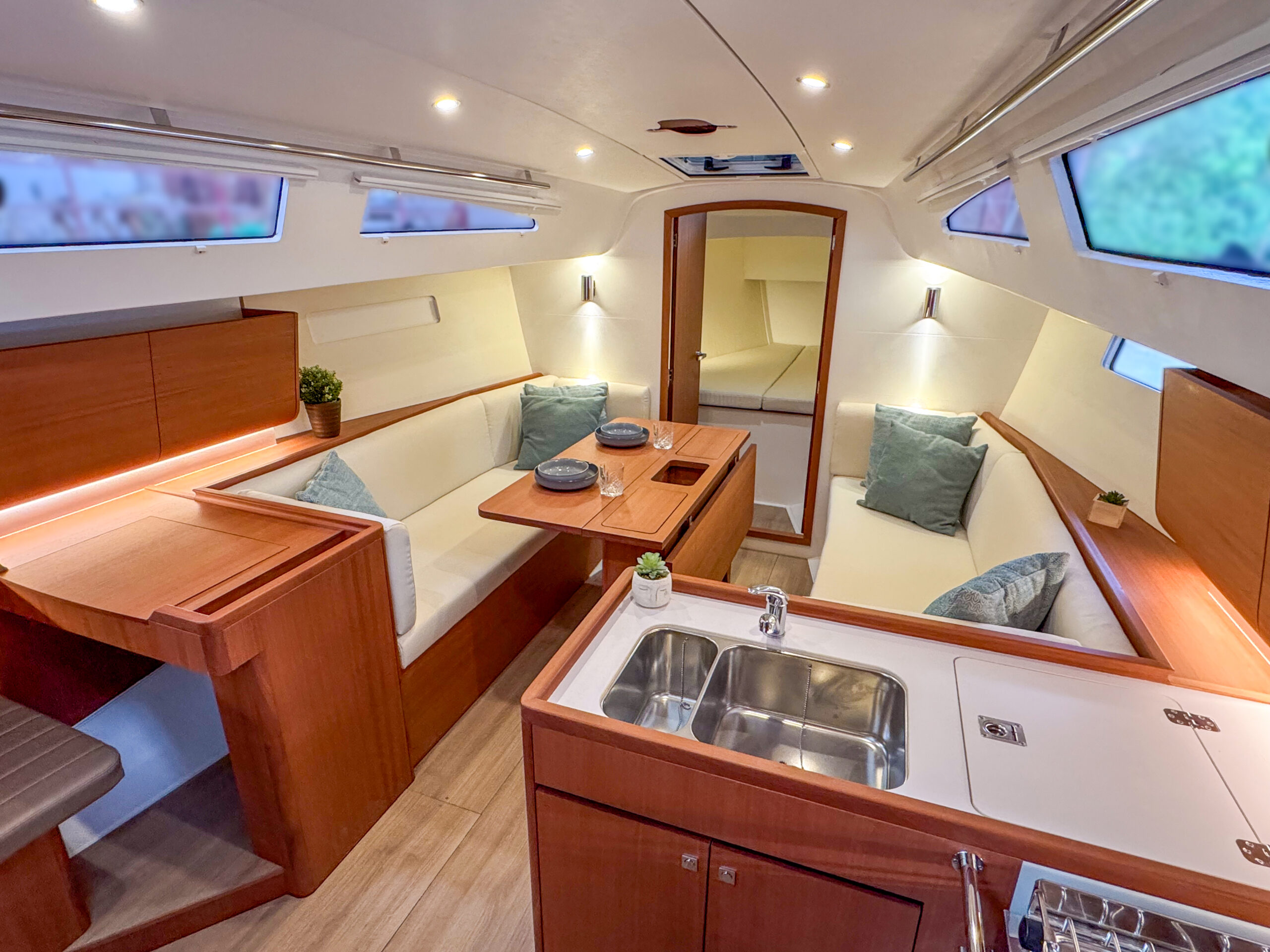
There aren’t many be honest, you may lose some dimensions with a performance yacht, with a slightly sportier waterline, but this is not to say it can’t be as comfortable. If you go around and take a look inside sailboats which you even regard as racing boats, you would no doubt be surprised at the comfort lurking below.
What this means for cruisers
Cruising and performance sailors have the same DNA, casting off with a desire to spend more time on the water, going further and with ease. Sailing is a luxury and one would expect, should not always be a hardship. As we can see with modern performance cruisers such as our J Boats, performance does not always come at the price of expensive sails and complicated control systems. Light displacement boats require less sail area and therefore can be less hassle! Earlier reefing without the power sacrifice and vice versa, more sailing on those glassy millpond days which I think any sailor would agree are the days you really want to be out there. After a all we all want the most use and more days on the water. Performance is an enabler more than an enhancer.
If you seem somewhat convinced of the performance plight or want to learn more about how performance boats can help you achieve your cruising ambitions, get in touch with Key Yachting or come have a chat in our office in Hamble Point. We are always keen to get all types of sailors out on the water and with our brands we rarely postpone due to weather, light or heavy…
You can also discover more on the practical benefits of performance cruising in this companion piece: What Does Performance Bring to Cruising?
Harry Tilling
UK & Ireland Monohull Specialist
E: harry.tilling@keyyachting.com
T: +44 (0)23 80455669
M: +44 (0)7821667951 (WhatsApp)